Love in a time of AI: how you can help your relationship!
Relationships are changing, and changing fast. Couples who, in the past, pledged to live together “till death us do part” are few and far between. Currently couples are now exploring relationships based on serial monogamy, -one shorter relationship at a time, or open marriages. Sometimes this works, often it does not. Couples are also increasingly exploring the use of AI in informing and mediating relationships.
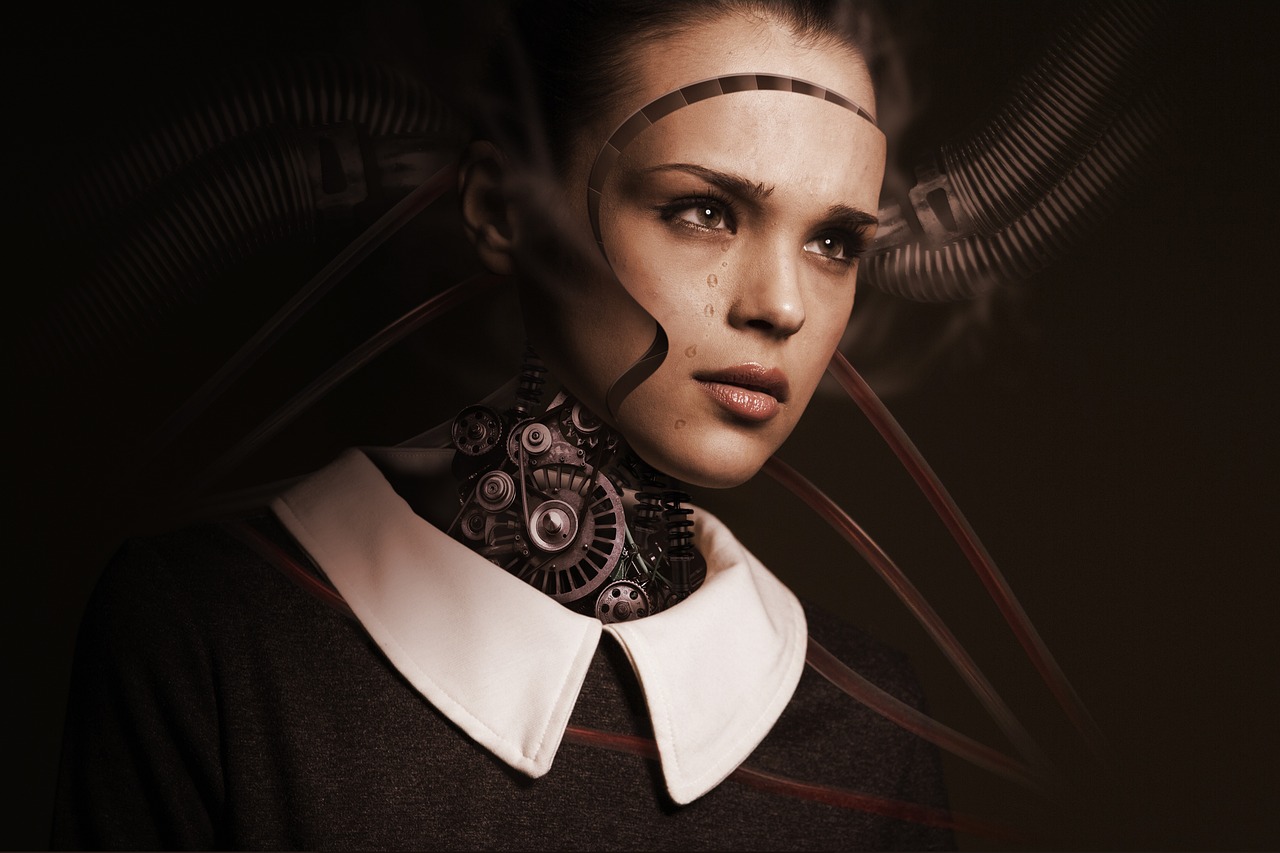
AI has-and is-growing exponentially, and, as it does in its wake comes a new technology of mate selection; we are experiencing a new digital era that is working to radically redefine couple relationships.
There are two areas I want to briefly explore here: that of the impact of AI on the relationship itself, and the impact on modes of repair (couple counselling, or guidance).
There are, we have to say, many positive impacts that AI brings to couple relationships. Digital tech can allow partner connection to be maintained across vast geographical distances via video calls and instant messaging; just a few years ago this would have been almost impossible.
However….
According to Mary Aiken in The Cyber Effect and Anthony Elliot in Algorithmic Intimacy:
- Up to 25% of divorces cite online infidelity as a factor of betrayal.
- Suspicious partners are more likely now to check smartphones and social media “slipups,” pursuing this with a forensic intensity.
- 10% of adults “microcheat” online (flirty messages)
- 40% of partners say they are bothered by how much time their partner spends online, leading to greater disconnection, and higher levels of depression and anxiety.
- 25% of young people believe that AI could replace real life romance
- There is growing polarisation of thought between those who see sharing emotions with AI as helpful, and those for whom it constitutes an affair.
- People who came of age in the pandemic and relied on AI often have very low social skills and less risk taking capacity
- They drink less, have less sex, less relationships and are used to more surveillance in their lives.
Things are getting changing and getting more complicated. But people, when they rely on AI, are becoming less complex as they digitally outsource, rather like leg muscles losing their strength and flexibility from too much sedentary behaviour. New neural pathways are forged and myelinated relying on AI support. For adults, this disembodiment is quite harmful; for young people, catastrophic.
Modern dating, Aiken says, is trapped within a fictional narrative that ignores biological drives and privileges social construction.
And how we date has also hugely changed.
More young people have a digital companion whom they rate higher that a flesh and blood one, yet Aiken warns us that to establish trust online we are required to engage in what she terms hyperpersonal communication; she calls this the unreal meeting the unreal. Her finding suggests most young people accept this and don’t care. Aiken contends that AI taps into our primal instincts and fosters compulsive interactions.
Online “therapist/companions” such as Replika-an AI emotional support- skyrocketed in its use in 2020, as did Woebot and Therabot. This followed the impact of lockdowns with demand for mental health wholly outstripping supply. These are “replacement therapists” that tend to confirm a person’s mood but do not challenge the person to grow. There have been signs of increased narcissism as a result of using these AI companions. And, of course, there is no embodied resonance in the interaction.
A study by the British Association of Counselling and Psychotherapy noted that this is a serious cause for concern as there is already academic evidence that AI may contain an empathy gap. There is a current risk that AI will not “prevent or mitigate the risks of responding inappropriately to personal disclosures or accidentally promoting harm.[1]”
International examples of AI abuse are also growing. One sad story came to light of a boy in the US who, after talking to a chatbot online for months, ended up taking his own life, prompted by the chatbot. His mother claimed that the “dangerous AI chatbot app marketed to children abused and prayed on my son, manipulating him into taking his own life” It seems that younger generations (who are the future couples) have a growing propensity to enjoy both the contribution and the companionship of AI-and get caught up in this.
Elliot contends that “What we are witnessing today is the emergence of new formations in human-machine interaction, involving the saturation of both public and private life with the automated enumeration and modelling of human behaviour” and “Intimate relationships become a network of wants, eliminating unpredictability and transforming togetherness” He writes “the rise of AI spells the decay of our intimate lives.”
On a positive note, Gavin Payne in LinkedIn writes[2]: “The future of AI in relationships will likely continue to evolve, but the essence of human love – with its unpredictability, growth, and authentic emotional connection – remains irreplaceable. As we navigate this technological frontier, the key is finding a balanced approach that harnesses AI’s capabilities while preserving the irreplaceable value of human connection.”
How can we prevent technology from interfering with our relationship?
- Set clear boundaries for technology use, such as designated tech-free times or areas in your home. Prioritise face-to-face communication and ensure you engage in activities together that don’t involve screens. Communication and mutual agreement on technology use are key.
- While online communication is convenient, especially for long-distance relationships, it often lacks the depth and emotional nuances of in-person conversations. It’s best used as a complement to, rather than a replacement for, face-to-face interactions.
- Discuss and agree upon what you’re comfortable sharing online. Respect each other’s privacy and consent when it comes to posting about your relationship. Establish clear boundaries regarding your online interactions with others.
- Openly discuss your concerns and try to understand each other’s perspectives. Compromise and find a middle ground that respects both partners’ preferences. Consider seeking face to face counselling if technology use becomes a significant source of conflict.
- Technology can enhance your relationship by enabling constant communication, facilitating shared experiences (like virtual date nights), and offering tools for relationship growth, such as apps for couple activities or relationship advice.
[1] https://www.google.com/url?sa=t&source=web&rct=j&opi=89978449&url=https://www.bacp.co.uk/media/22978/bacp-therapy-today-july-august-2025.pdf&ved=2ahUKEwij94Tej8SQAxWfbEEAHVZNDJwQFnoECB4QAQ&usg=AOvVaw06ZHYovNU1DQf25nqRXsCZ
[2] https://www.linkedin.com/pulse/rise-ai-romantic-relationships-benefits-risks-social-impact-payne-z75sf/